Contact Us
If you or a loved one has been diagnosed with a congenital hole in the heart and want to explore noninvasive closure options, we are here to help.
Physicians and other health care providers providing services through the SJ/C Physician Network may be independent contractors and not employees or agents of the SJ/C Physician Network, St. Joseph’s/Candler Health System or its affiliated entities. Each such physician or other health care provider is responsible for their own actions and the SJ/C Physician Network, St. Joseph’s/Candler Health System and its affiliated entities are not and shall not be liable for the acts or omissions of any such physicians or health care providers.

At The Heart Hospital at St. Joseph’s/Candler, innovation meets expertise to provide advanced, life-changing solutions for heart patients. For the first time in the region, an interventional cardiologist with Cardiology Associates of Savannah has successfully closed congenital holes in patients’ hearts using a minimally invasive implant. This groundbreaking procedure eliminates the need for open-heart surgery, allowing patients to recover faster and return to their lives with minimal disruption.
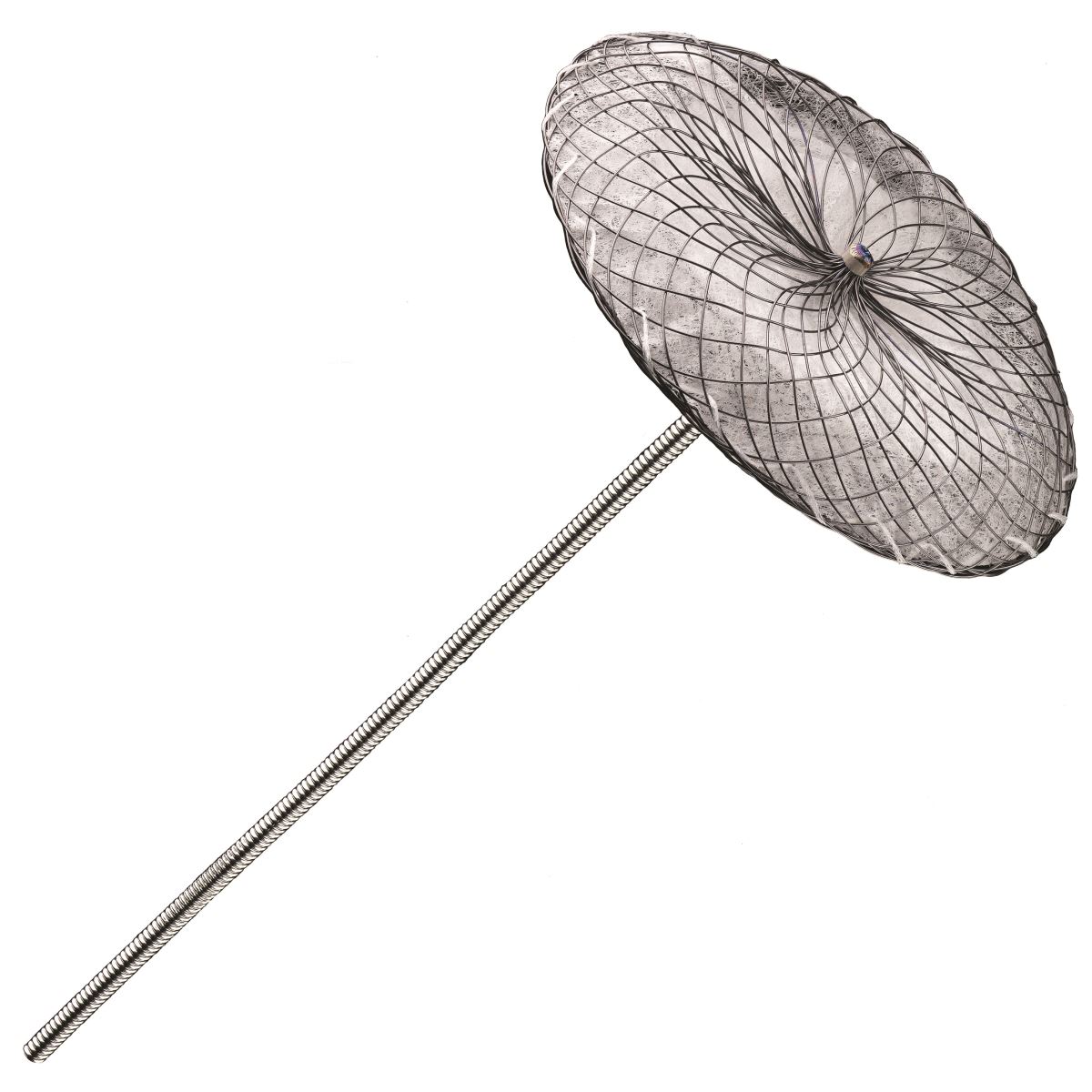
The St. Jude Amplatzer Septal Occluder is an innovative device designed to treat two congenital heart conditions:
By closing these defects without major surgery, the implant reduces the risk of stroke, restores proper blood flow, and helps the heart return to normal function.
“The Heart Hospital at St. Joseph’s/Candler has always been the first to bring the latest technology and procedures to the region,” said Dr. Michael Babcock, the interventional cardiologist who performed the first two procedures. “I’ve seen firsthand how beneficial this type of minimally-invasive procedure can be, so it’s rewarding to be able to partner with The Heart Hospital to offer this new technology.”
Much like procedures for opening blocked arteries or replacing a heart valve, this catheter-based technique allows specialists to access the heart without open surgery.
Patients undergoing this minimally invasive procedure can look forward to a short recovery time without the need for open-heart surgery. In about 95% of cases, the hole is closed immediately, allowing the heart to begin healing right away. Most patients spend only one to two days in the hospital, with the majority returning home the very next day. Over the following five to six months, the heart’s natural tissue grows over the implant, leading to long-term success as the heart fully adapts to the closure.
Not all patients with ASD or PFO require intervention. The decision to undergo this procedure depends on the size of the hole, the patient’s symptoms and how the condition affects their heart function and quality of life.
For those who qualify, this leading-edge treatment can significantly reduce stroke risk and improve overall heart health.
A 57-year-old woman had been experiencing shortness of breath, a common symptom of ASD. Her cardiologist diagnosed a hole in her heart and initially referred her to a hospital in Atlanta for a closure procedure. However, she preferred to seek treatment closer to home. As her heart enlarged to compensate for the improper blood flow, her symptoms worsened. She was then referred to Dr. Michael Babcock, who determined that device closure was the best option based on the size of her defect and symptom progression.
She returned home the next day after a successful procedure at The Heart Hospital at St. Joseph’s/Candler. She reports gradual symptom improvement as she continues follow-up care with Dr. Babcock. Her heart is expected to return to normal function and size over time.
A 76-year-old active man was admitted to the hospital after experiencing a stroke. Doctors discovered a blood clot in his leg, and despite being on blood thinners, he continued to suffer from recurrent strokes. Further cardiac imaging revealed a PFO, a congenital hole that allowed small blood clots to bypass the lungs and travel to his brain, increasing his risk of stroke. Dr. Babcock recommended closure with the St. Jude Amplatzer Septal Occluder. Following a successful implantation procedure, he spent one night in the hospital and returned home the next day. He now reports that he is doing well and has not experienced further strokes.
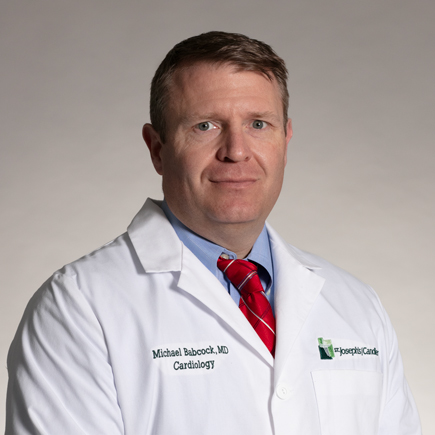
Dr. Michael Babcock is a board-certified interventional cardiologist with The Heart Hospital at St. Joseph’s/Candler and Cardiology Associates of Savannah. He was the first physician in the region to perform this advanced minimally-invasive heart closure procedure. Dr. Babcock is part of the Cardiology Associates of Savannah, a team of seven experienced cardiologists who specialize in cutting-edge treatments for heart disease and structural heart conditions.
If you or a loved one has been diagnosed with a congenital hole in the heart and want to explore noninvasive closure options, we are here to help.